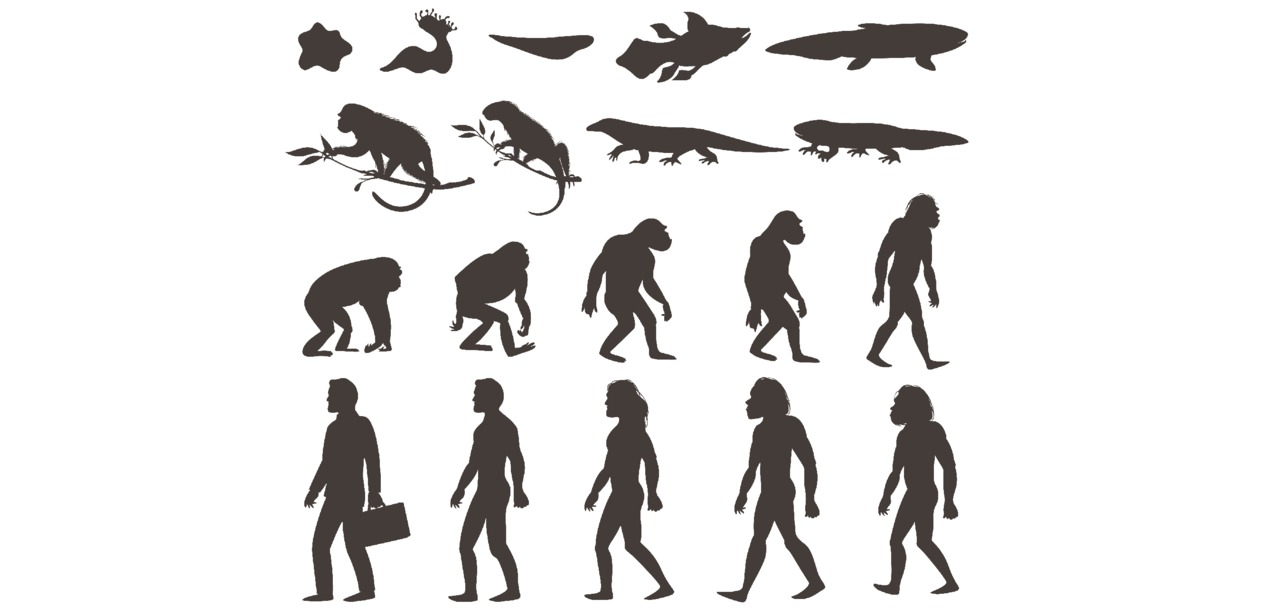
Living systems evolve because countless generations preserve useful learning. Industrial assets get only one life—and far fewer opportunities to learn.
An equipment lifecycle begins in design and moves through fabrication, procurement, installation, commissioning, operation, defects, potential failures, functional failures, and repair. At every stage, the system generates evidence. Yet learning from previous projects is often limited by budget, time, fragmented records, and knowledge distributed across different people.
We do not have millions of parallel assets from which to “naturally select” the best design. We have one project, one installation, and one operating context. That constraint makes structured learning essential.
Knowledge is dispersed among all the people.Inspired by Friedrich A. Hayek, “The Use of Knowledge in Society,” 1945
Tools that bring knowledge together
Failure Mode, Effects, and Criticality Analysis and Reliability-Centered Maintenance are two of the most useful ways to bring fragmented operational knowledge into one decision process.
Across more than one hundred facilitated FMECA and RCM events—from design and commissioning to plants operating for more than thirty years—the same weakness appears repeatedly: the exercise captures knowledge once, then stops learning from subsequent failures and defects.
What the analysis is trying to do
Both methodologies identify failure modes that can affect the required function of the equipment. Each failure mode is then prioritized using criteria such as:
Severity
How seriously the failure could affect safety, production, quality, environment, cost, or mission.
Occurrence
How frequently the failure mode is expected or observed in the actual operating context.
Detectability
How likely the organization is to recognize the condition before functional failure occurs.
Maintenance response
The task, monitoring approach, redesign, or run-to-failure decision that best manages the resulting risk.
The immediate output can be a solid equipment maintenance plan. But that is only the beginning.
The common pitfall
After the workshop ends, the report is filed away. The maintenance plan enters the CMMS, the team moves on, and the original reasoning is rarely reviewed again.
The periodic review is the key
To evolve, the failure-mode list must stay current. Add newly observed failures. Update risk as occurrence, severity, and detectability change. Capture the effect of the maintenance strategy itself.
If a failure mode becomes less frequent and its risk falls below the agreed threshold, the strategy may be simplified. If its occurrence or consequence increases, the organization may need better sensing, a different interval, a stronger control, or a redesign that removes the failure mode.
From maintenance plans to learning systems
Periodic FMEA and RCM review is the first step in the evolution of reliability strategy. As the organization improves its understanding of failure physics, root causes, parameter trends, and correlations, it can move toward Physics of Failure and machine-learning models trained on comparable operating situations.
The technology matters. But the essential capability comes first: a closed learning loop connecting what the organization expected, what the asset actually experienced, and what the strategy should become next.